

7 Steps to Prepare Your Fireplace and Stone Mantel for Winter
When the chill of winter arrives, your fireplace becomes the heart of your home, a place of warmth, comfort, and gathering. Before lighting that first fire, it’s essential to prepare your stone mantel and fireplace for the season ahead. Winterizing your fireplace protects against damage, ensures safe operation, and helps maintain the beauty and performance of your stonework for years to come.
1. Inspect and Clean Before Lighting the First Fire
Before winter use, schedule a professional inspection of your chimney and fireplace. A certified technician can identify creosote buildup, cracked masonry, or flue obstructions that could pose safety hazards. For gas fireplaces, have the burner, ignition system, and venting checked to ensure efficiency and safety.
After inspection, clean the fireplace interior and mantel thoroughly. Remove ash, soot, and dust using a soft brush or vacuum. Avoid using abrasive cleaners on cast or natural stone; mild soap and water are the safest options. For intricate detailing, use a microfiber cloth or small brush to protect the finish.


2. Protect Your Stone from Temperature Fluctuations
Seasonal temperature changes and indoor heating can create expansion and contraction in stone materials. Whether you have cast stone, limestone, or travertine, maintaining consistent indoor humidity levels can help prevent minor cracking or surface stress.
If your fireplace is positioned on an exterior wall, confirm that surrounding insulation is secure and moisture barriers are functioning properly to prevent condensation and heat loss. These small details protect both the stone and your home’s energy efficiency.
3. Seal and Maintain Stone Surfaces
Sealing your stone before winter is one of the best ways to protect it from soot, staining, and moisture absorption. Choose a breathable, penetrating sealer specifically formulated for natural or cast stone. Avoid glossy or surface-level sealers that can trap heat and cause discoloration.
To test if resealing is needed, place a few drops of water on your mantel’s surface. If the stone darkens or absorbs the water within seconds, it’s time to reapply sealer. This simple step extends the life and appearance of your stonework during months of heavy fireplace use.
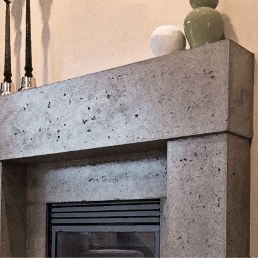
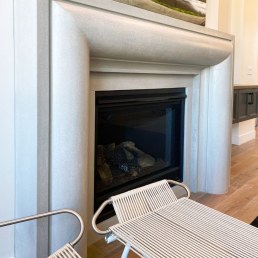
4. Inspect the Hearth, Joints, and Surrounding Materials
Your fireplace system is only as strong as its supporting materials. Check the hearth, joints, and trim for cracks or wear before winter. Mortar joints should remain tight, with no visible gaps. If minor damage is found, repair it promptly to avoid worsening with temperature fluctuations.
If your fireplace includes wood, iron, or brass accents, clean and condition these elements to maintain their finish. A quick polish or protective coating prevents rust, oxidation, and dullness throughout the season.
5. Maintain Fireplace Efficiency and Safety
Keeping your fireplace efficient means less smoke, better heat output, and reduced buildup. For wood-burning fireplaces, use seasoned hardwoods like oak or maple. Avoid softwoods that produce excessive soot. For gas fireplaces, inspect flame color. Yellow or flickering flames may indicate vent or gas pressure issues.
Check air vents and glass doors regularly, and clear excess ash buildup to allow steady airflow. Before winter begins, test your home’s smoke and carbon monoxide detectors to ensure maximum safety while using your fireplace regularly.


6. Subtle Styling for the Winter Season
Winter mantel styling can balance beauty with practicality. Choose low-profile décor that won’t interfere with ventilation or heat flow. Neutral tones, stoneware vases, and evergreen garlands add a natural touch without overwhelming your stonework.
Place heat-sensitive materials, like framed photos or candles, away from the direct heat zone. For a timeless look, position heavier décor toward the mantel’s edges and leave the center clear to highlight the natural stone.
7. Manage Indoor Air Quality and Ash Buildup
Frequent fireplace use can increase dust and fine particles in your home. Use an ash vacuum or sealed container for cleaning after each use to prevent debris from circulating. Regularly open nearby windows for a few minutes after burning to introduce fresh air and balance indoor humidity.
A fireplace screen or glass enclosure can also help minimize soot and ash escaping into the room while enhancing safety for children and pets.